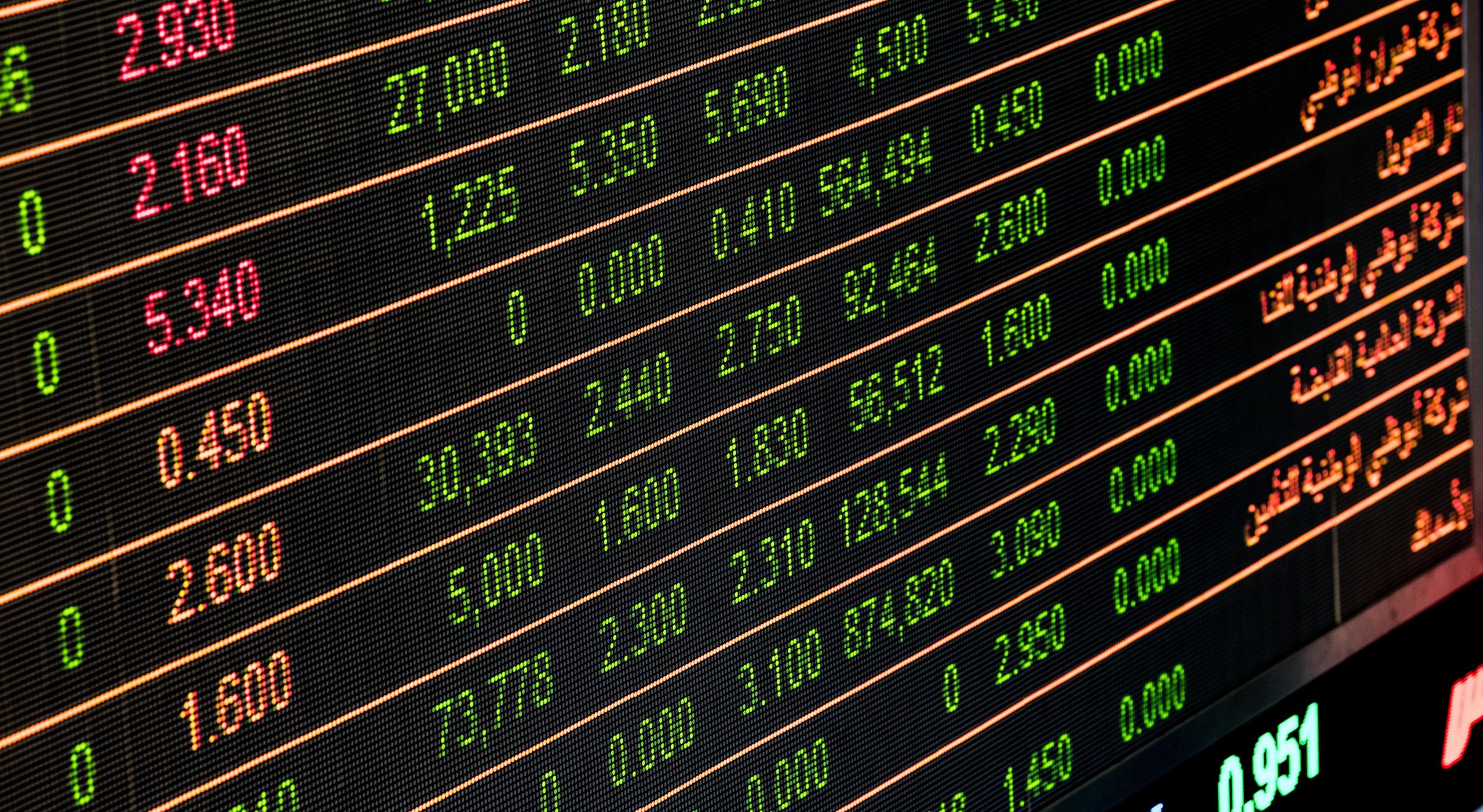
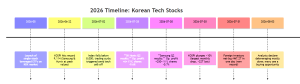
Korea’s stock market saw a dramatic roller-coaster driven largely by memory-chip giants Samsung Electronics and SK Hynix. After hitting record highs (KOSPI 9,114 on 22 June), the market plunged nearly 40% by late July amid a leveraged-product sell-off. Both Samsung and Hynix reported eye-popping profits (Samsung’s Q2 chip profit rose 250× and Hynix’s >6× year-on-year) – yet both stocks sold off sharply on softer outlooks and profit-taking. Foreign investors, who had been net sellers for months, staged a remarkable comeback in early August, plowing a record ₩7.2 trillion (~US$5 billion) into Korean equities in a single day. The relief rally was fueled by confidence that the “AI-driven” chip cycle remains intact and that most deleveraging has passed. Key takeaways for business readers: don’t confuse volatile market moves with fundamentals; tech-driven demand is strong but cyclical; corporate governance and shareholder returns matter even in hot markets; and diversification and risk management are crucial.
Drivers of Foreign Investor Interest
Despite July’s volatility, global funds are returning to Korea. Several factors attract foreign buyers:
- Valuation Reset: The KOSPI’s drawdown has made blue-chip stocks unusually cheap. Samsung and Hynix – which together account for ~50% of the index by mid-2026 – were trading well below their June highs even as fundamentals remained strong. A leading investor quipped: “The memory cycle and AI story are intact, and the unwind is handing it to you at a discount the fundamentals don’t justify”.
- Robust Tech Demand: Both companies serve booming AI/data-center markets. SK Hynix supplies high-bandwidth memory (HBM) chips for Nvidia, Google, etc., and has struck multiple long-term supply contracts to lock in future demand. Samsung likewise reported historic chip profits (89.2 trn KRW in Q2, vs 0.35 trn a year earlier) and has signed multi-year deals with top cloud providers. In short, end-market drivers (AI, cloud) remain strong even as investors worry about timing.
- Technical Rebound: Data show that much of the forced selling is over. Assets in 2× leveraged ETFs tied to Samsung/Hynix collapsed from $50 bn to $17 bn in late July, and short interest has eased (from ~5.3% to ~4.3% of free float). JP Morgan estimates hedge funds are ~90% through deleveraging. With leverage unwound, some see the August rally as technical recovery.
- Global Flows & Policies: Korea’s improved market access (e.g. omnibus accounts, 2016 reforms) and a dovish global environment aid inflow. Also, other markets (China, Japan) face their own uncertainties, making Korea comparatively attractive. Notably, Korea launched 24-hour won trading in July, aligning with global markets (boosting foreign trading hours). Finally, Wall Street’s tech earnings (Amazon, Microsoft) have dispelled some fears of an AI pullback, indirectly buoying Korean chip stocks.
Company-Specific Factors: SK Hynix vs Samsung
Both SK Hynix and Samsung are now valued on AI-era multipliers, but with important differences:
| Metric | SK Hynix | Samsung Electronics |
| Market Cap (mid-2026) | ≈2,080 trn KRW (≈$1.35 trn) | ≈2,067 trn KRW (close to SK Hynix) |
| Q2 2026 Revenue | 79.3 trn KRW (up 257% YoY) | 171.5 trn KRW (up 130% YoY) |
| Q2 2026 Op. Profit | 96.9 trn KRW (record, >6× YoY) | 89.2 trn KRW (record, +250× YoY) |
| 2026 Stock Performance | +340% YTD (Jan–Jun peak); –50% from peak by late July | +72% YTD; –40% from June peak |
| Recent Catalysts | AI-led HBM memory demand; US Nasdaq IPO (raised $26.5B); ~10 long-term supply contracts | Soaring DRAM/HBM prices; record quarterly profit; multi-year DC contracts |
| Key Risks | Slowing AI capex, delayed HBM4 shipments; high expectations; China competition | Mobile unit losses (700 bn KRW Q2 loss); memory price swings; heavy reliance on two businesses |
SK Hynix: In July it became the world’s most valuable chipmaker, overtaking Samsung. The Nasdaq IPO (10 ADRs = 1 share at $149 each) raised $26.5 bn, exposing Hynix to a broader investor base. Hynix’s CEO noted the company is “racing to lock in long-term supply deals” (often 5-year contracts) to smooth out boom-bust cycles. Nonetheless, stock upside may be limited if such deals cap memory prices. In Q2 Hynix’s profit hit a record high (soaring sixfold) but still missed sky-high forecasts, in part due to shipment delays. Investors fear big tech might pause AI spending. The stock remains highly leveraged to AI memory demand.
Samsung Electronics: South Korea’s conglomerate also posted a record chip profit (semiconductor OP ≈89.2 trn KRW, vs 0.35 trn a year ago). It signed multi-year contracts covering ~⅔ of its memory output, echoing Hynix’s strategy. Samsung’s net cash reached ~167 trn KRW, and it reiterated a policy of returning 50% of free cash flow to shareholders. (CFO Park Soon-cheol is discussing special dividends and buybacks.) However, Samsung’s mobile division swung to a loss (≈700 bn KRW) as high memory prices hurt smartphone demand. Moreover, Samsung faces governance issues: 10.5% of operating profit was earmarked for chip division stock bonuses, prompting reports it may buy back up to 90 trn KRW of shares. (Either way, diluted share count is rising.) Samsung’s stock has corrected ~40% since June, yet remains 72% above the Jan.2026 level.
Shareholder Returns & Governance: Both firms have signalled stronger returns. Samsung’s official policy (2024–26) is to return 50% of FCF (approx. 9.8 trn KRW dividend per year). In early August it announced it is “exploring ways to enhance shareholder returns in a sustainable manner”. SK Hynix likewise confirmed it will “meaningfully expand shareholder returns” on its record cash flow, with details by year-end. These commitments may temper investor frustration.
Macro/Regulatory/Market Structure Factors
- Leverage and ETFs: The crisis stemmed largely from new 2× single-stock ETFs launched May 2026. These products amplified gains on the way up and losses on the way down. By July, South Korean households – especially young retail investors – had piled into leveraged funds linked to Samsung/Hynix (even foreign 2× ETFs). When sentiment shifted, forced liquidations snowballed. Regulators have since capping ETF purchases and trading to rein in volatility. The finance minister publicly apologized for the products’ rollout without safeguards. Further reforms (e.g. Hong Kong-style leverage limits) and investor education are likely.
- Circuit Breakers & Trading Curbs: The KOSPI hit multiple automatic halts (“circuit breakers” or “sidecars”) as declines accelerated. Authorities are debating deeper interventions: proposals ranged from temporarily suspending leverage products to possible liquidity backstops. Trading curbs, while painful, likely helped prevent an even deeper collapse; firms should incorporate such market-structure risks into contingency plans.
- Exchange Rate and Policy: The Korean won has weakened slightly versus the US dollar during the turmoil, making Korean equities relatively cheaper for foreign buyers. Domestic monetary policy has been cautious; the Bank of Korea kept rates steady through early summer, supporting markets. (Separately, in July Korea extended FX trading to 24/7, signaling greater global integration.) Investors must still watch external factors: a strong US dollar or tighter Fed policy could pressure the won and outflows.
- Market Concentration: A structural issue is Korea’s market-cap weighting. Samsung+SK Hynix once comprised ~25% of KOSPI; by mid-2026 this had swelled to ~50%. While it fuelled the rally, it also meant any setback in chips dragged the whole market. Companies outside tech (e.g. banks, autos) saw relatively stable valuations but still slid by contagion. Foreign portfolio managers note that “buying Korea” had become effectively “leveraged Tesla bet” (on chips).
Risks and Counterarguments
While optimism is justified by earnings, caveats remain:
- Valuation and Momentum: Even after the drop, Korean tech stocks trade at steep multiples (e.g. Samsung’s P/E remains high by historical norms). If global growth slows or AI spending disappoints, another leg down is possible. Some analysts warn the 17.9% KOSPI jump on Aug 2 was as extreme as July’s slides, and the index fell 5% the next day, underscoring lingering nervousness.
- External Shocks: The market is susceptible to global shocks. For example, any renewed US-China tech conflict or Fed rate surprises could spook investors. In late July, markets had already been rattled by unexpected Chinese memory stock moves (CXMT) and vaccine-supply concerns. Business leaders should not overly chase short-term market exuberance.
- “Boom-Bust” of AI Stocks: Some commentators view the entire memory and AI-stock surge as a bubble. They note that Hynix and Samsung share prices detached from fundamental earnings (biggest-ever declines came despite record profits). This suggests a degree of speculation – a risk for momentum-chasing investors. A contrarian view is that valuations could tighten further if ever-rising AI demand justifies them, but timing is uncertain.
- Concentration Risk: Korean equities remain highly concentrated. If domestic tech falters, international investors have few alternatives to dump Korea ETF positions without moving the index. This fragility argues caution for anyone with undiversified exposure.
In summary, Korea’s market has swung from euphoria to panic in weeks. Deciding whether it’s a buy opportunity or a new peak is challenging. Businesses should prepare for volatility even as growth drivers (AI, 5G, semis) remain promising.
Implications for Businesses and Investors
- Strategic Positioning: Companies should differentiate between cyclical and structural growth. For chip suppliers or AI-focused firms, this environment offers a long runway but also requires prudent capacity planning. Expect increased demand for HBM and DRAM in the medium term, but also prepare for periodic slowdowns. Diversify product lines where possible (e.g. Samsung’s push into foundry and logic helps hedge memory swings).
- Capital Allocation: Firms with large cashflows (like Samsung and Hynix) are under investor pressure to deploy capital wisely. The market will reward clear, shareholder-friendly policies (share buybacks, dividends) and punish opaque insider rewards. Samsung’s recent share-buyback guidance (to fund employee stock awards) and Hynix’s IPO raised questions; transparent communication is key. Going forward, Indian and global investors will scrutinize any deviations from stated return policies.
- Investor Relations: Crisis moments demand effective communication. Both firms have emphasized long-term contracts and growth plans to reassure investors. Businesses should highlight order backlogs, pricing power, and structural demand trends. It’s also a reminder to manage expectations: explain how cyclical downturns are cushioned, and how boom periods translate into shareholder value.
- Regulatory Engagement: The turbulence prompted regulators to rethink market rules. Financial firms and firms that have leveraged products should engage with regulators to shape any new policies (e.g. sales caps, leverage limits, investor protection measures). Retail education initiatives or warnings about leveraged ETFs may increase; businesses should ensure compliance with any new disclosure or margin rules.
- Risk Management: The episode underlines the risk of single-industry dependency. Korean conglomerates (chaebols) may face calls to diversify and de-concentrate. Companies elsewhere might reassess exposure to similar “market concentration” risks (e.g. major weighting in a few tech names). Forex risk management is also important: a volatile KRW can materially affect earnings for multinationals.
Overall, the situation reinforces the need for balanced portfolios, robust corporate governance, and the ability to withstand sudden market swings. Businesses and investors should plan for both upside from technological leadership and downside from highly leveraged market structures.
Action Points for Business Leaders
- Reassess Market Exposure: Evaluate your reliance on Korea’s tech market or chip supply chains. If overexposed, consider hedges or diversification (other geographies, sectors). If underweight, note the long-term AI-driven demand and judge entry points carefully.
- Emphasize Governance: Ensure clear, shareholder-friendly policies. If your firm is high-growth, publish realistic guidance and a sensible capital-return plan. Proactively explain any large insider rewards or equity issuances to prevent surprise.
- Communicate Clearly: During turbulence, engage closely with investors and analysts. Use facts (e.g. signed long-term contracts, AI market forecasts) to counter short-term panic. Demonstrate how your fundamentals differ from speculative hype.
- Stress-Test Supply Chains: For companies reliant on Korean tech (semiconductors, smartphones, display panels), prepare for price and availability swings. Diversify suppliers where possible or negotiate flexible pricing contracts.
- Monitor Regulatory Changes: Keep abreast of new market rules (leveraged-product caps, higher trading costs). Adjust investment and trading strategies accordingly. For example, if launching products, ensure they comply with any upcoming liquidity or transparency requirements.
By learning from this episode – the interplay of hype, fundamentals and policy – business leaders can better navigate the tech-driven cycles ahead.